
Understand equity loan risks in Costa Rica with Grupo Gap's expert guidance—your path to informed private lending decisions starts here, understanding-equity-loan-risks-gap-equity-costa-rica.
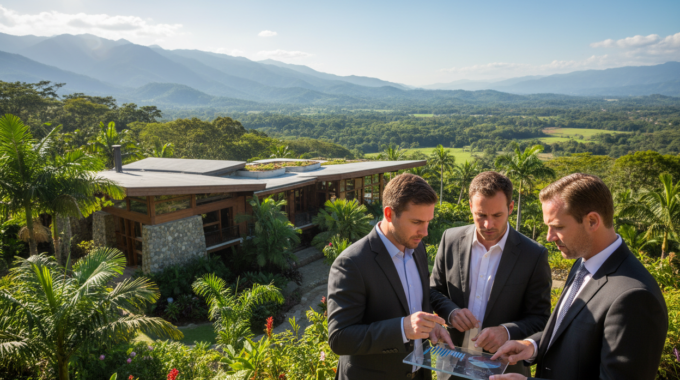
Large-Movement Gap Investments in Costa Rica
You own a valuable asset in one of Central America’s most stable nations. Yet, accessing the equity in your Costa Rica property through traditional banks can feel impossible.
This is the fundamental challenge for foreign property owners here. The local banking system wasn’t designed for international clients, creating a significant financing gap.
We are Grupo Gap, the central hub for private lending in Costa Rica. We bridge this gap by connecting qualified owners with substantial capital solutions. Our focus is on meaningful, large-movement financing that reflects your built equity.
Costa Rica’s real estate market operates largely on cash. For foreigners, the bureaucratic hurdles for a traditional mortgage are prohibitively complex. This makes private lending a vital alternative.
Our mission is to guide you with transparent, expert knowledge. This article explains our structured process for unlocking property value. We act as your protective guide through a system that often confuses outsiders.
We provide accurate information about our requirements and guidelines. For detailed insights into our approach for major projects, explore our resource on significant financing solutions. Let’s begin by walking through how we turn your equity into accessible capital.
Exploring Grupo Gap’s Streamlined Investment Process
The journey to unlocking your property’s equity starts with a streamlined, two-part assessment. We designed this process to be efficient while thoroughly protecting all parties involved.
Intake and Initial Review
Your first contact begins a straightforward conversation. We gather key details about your property location, estimated value, and equity position. This initial screening helps us determine if your situation aligns with our lending parameters.
Our team conducts a candid review at this stage. We assess property type, location, and your equity against our guidelines. Being transparent here saves everyone time if there’s not a good fit.
Due Diligence and Title Review
Qualified proposals move to comprehensive due diligence. This phase is where our process becomes most protective. We examine the property’s registration in Costa Rica’s National Registry.
Our legal team verifies clear ownership and checks for liens. We confirm property taxes are current. Due diligence extends beyond paperwork to physical verification.
We match the property against the official survey document. We check water rights and access easements, especially outside developed areas. Environmental or coastal zone regulations are also assessed.
This stage sometimes reveals complications. Corporate structures might need adjustment, or survey plans could be outdated. We identify these issues early for resolution.
Realistic timeframes are crucial. Initial review happens within days. Full due diligence typically takes 2-4 weeks in Costa Rica. We coordinate with your local attorney and any needed specialists throughout this protective process.
Preparing Your Documentation for Private Lending Success

A smooth private lending process in Costa Rica hinges on having the right paperwork prepared from the start. Complete and accurate documentation builds our confidence and directly influences approval speed and potential terms.
Essential Property and Ownership Details
We need your property’s exact legal description from the National Registry. Tell us if you hold the title personally or through a Costa Rican corporation.
Corporate-held properties are common here. They require extra documents like shareholder registries. We’ll review the structure to ensure it’s suitable for a lien.
Supporting Materials: Plano, Survey, and Proof of Equity
The official ‘plano catastrado’ is the legal survey of your property. It must match the physical boundaries. An updated survey may be needed if changes occurred.
Proof of equity shows your stake in the asset. Provide your original purchase documents and receipts for major improvements. For properties in rural areas, we also review water rights and access easements.
Understanding LTV Guidelines and Risk Considerations
Understanding loan-to-value (LTV) is central to how we assess financing opportunities. Simply put, LTV is the loan amount divided by the property’s value.
If your property is worth $400,000 and we approve a $200,000 loan, that’s a 50% LTV ratio. You maintain substantial equity, which protects everyone involved.
We structure private lending up to 50% LTV. This is a maximum guideline, not a guarantee. Actual approved amounts depend on specific factors we evaluate.
Location is a key factor. Properties in established areas with active buyer markets support different LTVs than remote parcels. The type and condition of the real estate also matter greatly.
Your equity position and documentation quality directly influence our risk assessment. Complete, clear paperwork reduces uncertainty.
Costa Rica’s real estate market has unique characteristics. We consider market volatility and property liquidity in every evaluation.
We don’t publish generic rates or terms because every situation is different. Our conservative approach protects your long-term investment and makes the transaction feasible. This is true for various property types, including multi-family properties.
large-movement-gap-investments-costa-rica: Process and Requirements

Finalizing your private loan in Costa Rica involves two critical stages: structuring the agreement and completing the closing. This is where approvals become legally binding transactions.
Structuring and Mortgage/Lien Registration
Our legal team drafts the mortgage contract to secure a first-lien position. This lien is registered at the National Registry, giving it legal priority over other claims.
Standard registration fees and documentary stamps apply. We also typically require life and property insurance. This protects both parties for the loan’s duration.
Closing the Investment Transaction
The closing is handled by a notary attorney. The atmosphere is often casual, reflecting local business culture, but the document execution is rigorous.
Funds are disbursed after signing. You must maintain insurance and keep property taxes current throughout the loan period. This protects your asset and our secured position.
Smart-Casual Client Experience with Grupo Gap
Our client experience is designed to reflect the authentic, relaxed business culture of Costa Rica. You might expect formal meetings for a major financial decision. Here, that formality is replaced by genuine connection and smart-casual ease.
What to Expect: Casual Costa Rican Business Attire and Atmosphere
Business attire here is polo shirts or open-collar button-downs. Suits are rare outside of court. This “pura vida” approach values relationships and work-life balance.
Our team operates with this warmth but never compromises on expertise. We conduct rigorous due diligence and legal work. You get top-tier knowledge without the intimidating corporate atmosphere.
Initial chats often happen via WhatsApp, the standard here. In-person meetings are conversational. We take time to understand your full situation in beach towns and vacation areas.
We also manage expectations around “Tico time.” Schedules can be flexible. We build realistic timelines so you avoid frustration.
All legal documents must be in Spanish. Our bilingual team provides clear translations. We bridge cultural gaps so you feel confident and informed.
Experience this approachable, professional partnership. Reach out via WhatsApp or call our direct line to start a conversation.
Navigating the Investment Journey: Key Insights and Market Trends
Foreign investors dominate Costa Rica’s coastal real estate markets. Some areas see 98% of sales going to international buyers rather than local ones.
This demand has tightened inventory and driven price appreciation. Average home values now range from $600,000 in the Southern Pacific to over $1 million in prime Central Valley areas.
Best Practices and Compliance with Purchase Guidelines
Property investment here can lead to residency. Law 9996 reduced the investor threshold to $150,000 in 2021.
This opens a pathway to temporary status for two-year periods. Achieving permanent residency typically requires maintaining that investment for three years.
Ownership structure matters for this goal. Properties held in corporate names often don’t qualify for investor residency programs.
Beachfront land has special rules. Foreigners usually need five years of residency to hold concessions within 200 meters of the tide line.
Staying compliant is crucial. Keep property taxes current and maintain proper insurance coverage.
These factors directly influence lending decisions and risk assessment. We help you navigate these complexities with clear, strategic advice.
Wrapping Up Your Investment Roadmap in Costa Rica
The equity in your Costa Rica real estate can become a powerful financial tool. Understanding your options for access is key.
We’ve outlined a streamlined process for foreign investors to leverage property value. Success depends on thorough preparation and clear documentation.
This information is educational, not a guarantee. Your actual terms require individual assessment of your unique situation.
Our services bridge cultural and legal gaps with approachable expertise. If exploring financing makes sense for your investment, start a conversation.
Contact us via WhatsApp at +506 4001-6413, call 855-562-6427, or visit gap.cr. Let’s explore your potential with transparency.
FAQ
What is the first step in the private lending investment process with Grupo Gap?
The first step is our intake and initial review. We start by understanding your goals and reviewing your property’s basic details. This allows us to quickly assess if your asset and equity position are a good fit for our lending guidelines before moving into deeper due diligence.
What documents do I need to provide for the due diligence phase?
You’ll need to provide essential property and ownership details. This includes a certified copy of the registered title (folio real), your passport, and proof of property tax payment. Supporting materials like the survey map (plano) and an appraisal are also crucial for verifying value and equity.
What is the typical Loan-to-Value (LTV) ratio you offer on beach properties?
For residential beach homes and condos, we typically lend up to 50% LTV. This conservative guideline helps manage risk for both parties. It ensures you retain significant equity while providing us a secure position, which is a standard practice for responsible private lending in Costa Rica.
How is the mortgage or lien formally registered to secure the investment?
We structure the transaction as a formal, registered mortgage (prenda) on your property’s title at the National Registry. Our legal team handles this entire process. This public registration is what legally secures the investment and provides clear, enforceable rights for everyone involved.
What is the typical timeline from application to receiving funds?
Once all documentation is in order, the process can move efficiently. From initial review to closing, a well-prepared transaction often takes just a few weeks. The speed hinges on the readiness of your paperwork and the responsiveness of the local public registry systems.
What should I expect during our in-person meetings in Costa Rica?
Expect a smart-casual, professional Costa Rican business atmosphere. We focus on clear, transparent discussions about your investment and our process. While the setting is comfortable, we handle all details with the highest level of professionalism and attention to legal and financial precision.
As a foreign investor, are there specific purchase guidelines I should know?
Yes, compliance is key. Foreigners have the same property rights as locals, but investments must be structured correctly. This includes using a local corporation or proper title holding, and ensuring all funds are transferred through official channels. We guide you through these best practices to ensure a compliant and smooth investment.
Can I use a property I already own for this type of investment?
Absolutely. Many of our clients use existing real estate equity to access capital. Whether it’s a primary residence, a vacation home, or a rental property, we can evaluate its current market value. The key is having substantial unencumbered equity to serve as collateral for the new investment.

Related Posts