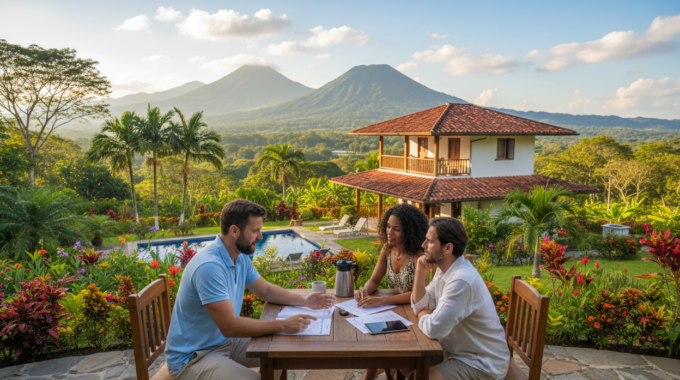
Understand equity loan risks in Costa Rica with Grupo Gap's expert guidance—your path to informed private lending decisions starts here, understanding-equity-loan-risks-gap-equity-costa-rica.
Rentista Visa in Costa Rica: Private Lending for Property Owners
Owning property here opens unique doors. For many expats and investors, two pathways often intersect: establishing legal residency and accessing the equity in their real estate. We see this connection every day at Grupo Gap.
One popular residency route is the Rentista program. It’s designed for individuals who receive steady, unearned income—like from investments or savings. The requirement is to demonstrate a permanent income of $2,500 USD per month for a minimum of two years.
This guide explores how that residency path can dovetail with private lending solutions. If you own property, its equity might be used for liquidity or new investments. We coordinate the entire lending process, from inquiry to lien registration.
Our role is to provide clear, educational information. We build trust through transparent explanations—not hype. The business culture in Costa Rica mirrors our approach: smart-casual, professional, and accessible.
You’ll learn about eligibility, documentation, and how these financial and legal tools work together. This is informational content, with no guarantees. For personalized guidance, our team is ready to connect.
Understanding Private Lending in Costa Rica
Accessing the equity in your Costa Rican property doesn’t require a sale. Private lending is an alternative financing solution here. It allows owners to leverage their real estate investment for capital.
This approach focuses on the asset’s value and your equity position. It does not rely heavily on local credit history.
An Overview of Private Lending Benefits
The core mechanism is a first-lien mortgage. This legal position secures the loan against the property title. It provides clear protection for everyone involved in the transaction.
The fundamental benefit is liquidity. You can tap into built-up equity without liquidating your asset. This financial flexibility can be crucial during major life transitions.
Why Costa Rican Property Owners Choose Private Lending
For expats and foreign investors, it’s a practical tool. Many have substantial equity but face hurdles with traditional banks. Private lending bridges that gap using the property itself as the primary qualifier.
The entire process follows established Costa Rican legal frameworks. All agreements are properly registered with national authorities. This transparency builds trust and ensures a secure business transaction.
Introducing Grupo Gap and Our Expertise
At Grupo Gap, we serve as your central hub for managing private lending from start to finish. Our website, gap.cr, is the starting point for this coordinated journey.
We oversee every stage, connecting you with the right local professionals. This ensures legal compliance and protects your interests.
Our Private Lending Process: Intake to Closing
Our process is structured for clarity. It begins with an initial intake to gather your basic information.
We then review the feasibility of your request. Next comes due diligence, including a full title review.
After that, we move to structuring the specific terms. The final steps are closing and official mortgage registration.
Documents and Preparations Clients Should Gather
Being prepared saves significant time. Start by compiling detailed property information and your ownership structure.
You will need the official property survey (plano). Also gather water rights and easement documents, if applicable.
Be ready to show proof of your equity position. Finally, have your ID and a clear explanation for the funds’ use ready.
This documentation helps us provide an accurate initial assessment. Remember, this is informational—each case is unique.
Exploring Rentista Residency in Costa Rica

Establishing legal residency often hinges on proving stable, unearned income. The Rentista program is designed specifically for individuals who can demonstrate this type of permanent financial resources.
Eligibility Criteria and Required Income
Applicants must show they will receive at least $2,500 USD per month for two years. This totals $60,000 over the 24-month period. The funds must come from non-work sources.
Acceptable sources include investments, passive returns, dividends, and rentals. Salary or employment compensation does not qualify as unearned income.
The $2,500 monthly requirement stays the same for singles and families. Once approved, you agree to deposit that amount into a local bank account each month.
You must also live in Costa Rica for at least one day annually. All proof of funds requires notarization, apostille certification, and translation.
This residency status is temporary but leads to permanent status after three years. For property owners, private lending can be a complementary tool.
It may help structure the finances needed to meet these requirements during the process.
The Private Lending Process Explained
Navigating private lending involves a clear, structured journey from initial inquiry to final registration. We manage each phase to ensure security and compliance with local law.
Step-by-Step Journey: Intake, Review, and Due Diligence
It starts with an intake conversation. We gather details on your property, equity, and goals. This helps us assess if this solution fits your situation.
Next, our team reviews the information for feasibility. We examine the property’s characteristics and ownership structure. This review identifies any initial documentation needs.
Due diligence is a critical legal step. We conduct a comprehensive title review to confirm it’s clear. This includes checking for existing liens and verifying boundary surveys.
From Structuring to Mortgage/Lien Registration
Based on findings, we customize the arrangement’s structure. Terms are shaped by property type, equity, and risk assessment. The goal is a fit for your specific circumstances.
Closing involves signing all necessary documents with legal representation. Funds are prepared for disbursement once final verifications are complete.
The final step is official mortgage or lien registration with the government. This places the lender in a first-lien position, providing legal protection. It’s a key part of the understanding local mortgage frameworks in Costa Rica.
This entire process follows established legal frameworks here. When approved, the secured first-lien position protects all parties involved.
Preparing Your Application for Private Lending
Gathering the right documents upfront can significantly accelerate your financing process. A complete package allows for an efficient initial review and fewer delays.
This preparation is about providing clear information. We use it to understand your asset and goals.
Essential Property Details and Ownership Structures
Start with detailed property information. This includes the exact legal description, property type, and its current condition.
An estimate of its market value is also helpful. Supporting documents like recent appraisals strengthen your application.
Next, clarify the ownership structure. Is the asset held in your name, or through a Costa Rican corporation?
If a corporation owns it, we need the corporate documents. These prove your authority to encumber the property.
The official property survey, or plano, is non-negotiable. It confirms boundaries and matches national registry records.
Depending on location, water rights and easement documents may also be required. These address critical access and utility issues.
You must also demonstrate your equity position. Provide purchase records or tax assessments as proof.
Finally, explain the intended use of the funds and have your ID ready. Thorough preparation leads to a more accurate assessment.
This guide is informational. Each application is unique and outcomes are not guaranteed.
Managing Property, Equity, and LTV Considerations
The loan-to-value ratio is a fundamental metric that shapes financing possibilities for real estate owners. LTV represents the loan amount compared to your property’s appraised value.
For example, a $100,000 loan on a $200,000 asset is a 50% LTV. This ratio helps us assess risk and structure terms.
Guideline: Up to 50% LTV and Risk Assessment
Our general guideline allows lending up to 50% LTV. This means you can access half your property’s value while keeping a solid equity cushion.
This conservative approach manages risk. It protects all parties by ensuring significant equity remains in the asset.
How Terms Vary by Property and Documentation
Specific terms depend on multiple factors. Property type, location, and condition in Costa Rica all influence the assessment.
Your equity position is crucial. Higher equity often leads to more favorable consideration.
Complete and clear documentation is essential. It includes title reports, surveys, and ownership proofs. Quality paperwork supports a smoother process.
Every situation is unique. We evaluate property specifics, equity, and documentation to create a tailored risk profile. This information is educational only, with no guarantees.
Rentista Visa Costa Rica: A Comprehensive Guide for Expatriates
Article 99 of immigration law in Costa Rica outlines three paths to demonstrate the required monthly income. Each method proves the $2,500 per month in stable, passive funds. We guide expats through these official options for their residency application.
Navigating Residency Processes and Income Proof
Option A is a local bank letter in Costa Rica. Institutions like BAC confirm your permanent income. Immigration authorities prefer arrangements where interest alone exceeds the threshold.
Option B uses foreign investment income. Your bank abroad issues a notarized letter proving stable passive returns. This suits applicants with portfolios in their home country.
Option C involves a CPA in Costa Rica. They certify diverse income sources like rent or dividends. All foreign documents require official Spanish translation.
Integrating Private Lending with Your Residency Strategy
For expats who own property, private lending can support the residency process. Accessing equity may help structure the necessary investment income. It provides financial flexibility during the transition.
The initial residency grant lasts two years. The application process takes several months. We coordinate with immigration attorneys and accountants to ensure your documentation meets all requirements.
Embracing Costa Rica’s Business and Lifestyle Culture
The approach to business in this country is refreshingly direct and comfortably casual. This blend of professionalism and relaxed ease defines daily life here.
Smart-Casual Business Practices in Costa Rica
Forget the suit and tie. The standard here is smart-casual—think polo shirts or open-collar button-downs. This reflects the overall “pura vida” philosophy.
It balances comfort with competence. Attorneys and bankers dress for the tropical climate while maintaining a neat appearance.
This cultural norm extends beyond attire. Communication is typically straightforward and friendly. Personal connections are valued in professional settings.
Our approach at Grupo Gap mirrors this local style. We are professional and thorough, yet approachable in our communications. We avoid unnecessary formality.
This business culture reflects broader lifestyle benefits. Costa Rica offers natural beauty, stable governance, and a welcoming community. The pace of life is relaxed but modern.
Understanding this context helps expats transition smoothly. Embracing the local culture facilitates better business relationships. It makes this place feel more like home.
Working with Grupo Gap Throughout Your Journey

Managing multiple professionals is a common challenge for expats pursuing goals in Costa Rica. We serve as your central hub to simplify this complex coordination.
Seamless Coordination with Professionals and Specialists
Our core role is managing the network of local experts required for a successful transaction. We work directly with Costa Rican attorneys for legal documentation and notaries to formalize agreements.
We also coordinate title researchers, surveyors, and other specialists. This end-to-end management ensures a secure and compliant process.
This coordination extends to residency-related services. We connect you with certified accountants for income proof and official translators for documents.
We help structure your financial setup to meet local requirements. Our goal is to save you time and prevent avoidable delays.
We verify every document meets exact standards for authorities like Migración. This attention to detail is crucial for a smooth business timeline.
Ready for clear guidance? Contact us via WhatsApp at +506 4001-6413, call 855-562-6427, or visit gap.cr to start your personalized process.
Final Thoughts and Next Steps for Your Residency and Lending Journey
Your journey toward establishing a life in Costa Rica combines strategic financial planning with legal residency pathways. This guide has shown how property owners can access equity while pursuing residency.
Residency applications take several months. Private lending processes vary based on documentation. Patience and preparation are key for retirees, families, and all applicants.
All information here is educational only. We provide no guarantees for approval or specific terms. Each situation is evaluated individually.
Ready for next steps? Contact us for personalized guidance. Reach out via WhatsApp at +506 4001-6413, call 855-562-6427, or visit gap.cr to start your journey.
FAQ
Can I use private lending funds to help qualify for Rentista residency?
No, you cannot. Immigration authorities require proof of stable, passive income from sources like pensions, investments, or rental properties. A loan is considered a liability, not qualifying income. We help clients use their property’s equity for other financial needs, but your residency application must show verifiable, permanent income from acceptable sources.
What property types qualify for private lending with Grupo Gap?
We primarily work with residential real estate, including houses, condos, and titled land. The property must be free of major encumbrances and have a clear title. We assess each asset individually, considering its market value, location, and condition to determine a viable loan-to-value ratio.
How long does the private lending process typically take?
From initial application to funding, our process often takes between 3 to 5 weeks. The timeline depends on how quickly you provide documentation, the complexity of the property title, and the schedule at the National Registry for the mortgage registration. We manage each step to avoid unnecessary delays.
Do I need to have permanent residency to get a private loan?
No, you do not. Many of our clients are in the process of applying for residency or hold temporary status. As long as you legally own the property and can provide the required documentation, your immigration status is a separate matter from the lending evaluation.
What is the minimum income required for the Rentista visa?
You must demonstrate a guaranteed monthly income of at least ,500 from a stable source like a pension or investment. This income must be deposited into a Costa Rican bank account for two years. The requirement is per family, so a spouse and dependents can be included under this same financial proof.
Can I use rental income from my Costa Rican property for the Rentista visa?
Yes, but with strict conditions. The income must be documented with formal leases and consistent bank deposits. Immigration prefers passive, external income, but local rental income can supplement your application if it’s stable, legal, and well-documented over time.
How does Grupo Gap coordinate with my immigration lawyer?
A> We work in parallel with your legal team. While your lawyer handles the residency application with immigration, we focus on the financial and property documentation for your loan. We ensure both processes have the information they need without conflict, providing a cohesive strategy for your life and investments here.

Related Posts